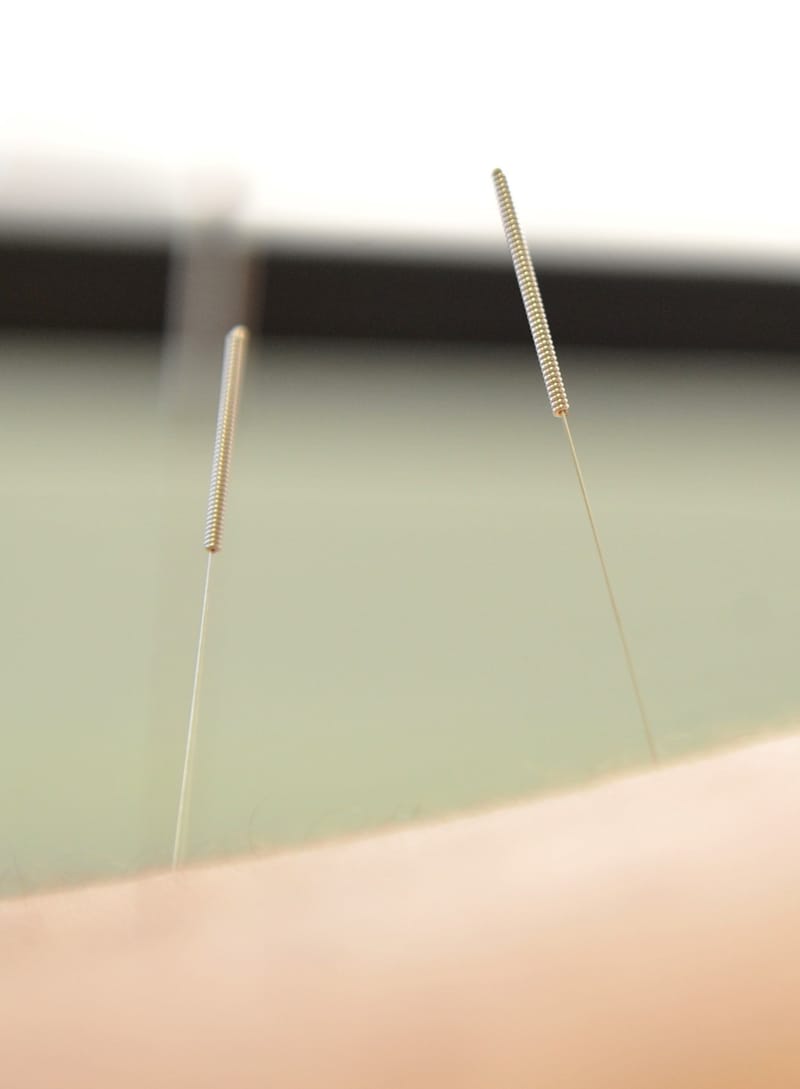
Neurobiological Mechanism of Acupuncture
Core question: What are the neural and glial mechanisms through which acupuncture produces therapeutic effects?
As a physician-scientist lab, we dissect acupuncture at the molecular, cellular and circuit level. We identified a central role of hypothalamic circuits in its anti-Parkinsonian effects (Adv Sci 2024), the involvement of MCHR1 in both dopaminergic neurons and astrocytes (Exp Neurobiol 2026), and the contribution of peripheral mast cells (Front Aging Neurosci 2024, with Park HJ lab).
Ongoing directions: Peripheral sensory pathways of acupuncture; acupuncture effects beyond Parkinson's disease, including immune and inflammatory conditions.
Related Publications
Central role of hypothalamic circuits for acupuncture's anti-parkinsonian effects. Adv Sci 2024 (co-corr., back cover) · 10.1002/advs.202403245
MCHR1 in both dopaminergic neurons and astrocytes in the SNpc contributes to acupuncture's anti-Parkinsonian effects. Exp Neurobiol 2026 (co-corr., cover) · 10.5607/en26012
Selected Collaborations
Peripheral mast cells derive the effects of acupuncture in PD. Front Aging Neurosci 2024 · 10.3389/fnagi.2024.1376756
Invasive laser acupuncture targeting muscle: a novel approach to protect dopaminergic neurons and reduce neuroinflammation in PD. Chin Med 2025 · 10.1186/s13020-025-01104-2